
Business automation
How to tell whether a process is actually worth automating
Not every repetitive task deserves an automation project. A practical way to decide what to fix first, and what to leave alone for now.
The question that actually matters
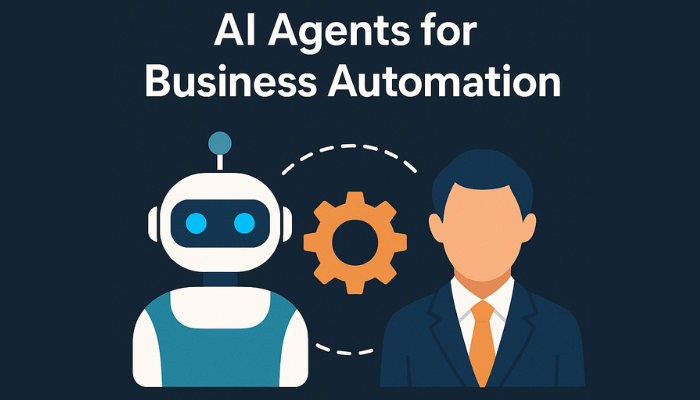
Most businesses don't lack ideas for what to automate; they have a long list. The harder problem is deciding what's actually worth the effort right now. Before scoping any automation, it helps to ask two questions: what does this process cost when it's done manually in terms of delay, error, or duplicated work, and does that cost repeat often enough to justify fixing it?
A process that happens twice a year, however annoying, rarely justifies a build. A process that happens fifty times a week, even a small one, usually does. Frequency and consistency matter more than how tedious a task feels in the moment.
Three signals worth automating
- The same information is typed into more than one system by hand.
- A process depends on one specific person remembering to do it.
- Delay in the process directly costs revenue or customer trust, most commonly during lead follow-up.
Frequency and consistency matter more than how tedious a task feels in the moment.
When it's worth waiting
Some processes aren't ready to automate yet, usually because the process itself isn't stable. If the steps still change every few weeks, or different people do it differently, automating too early just makes an inconsistent process faster to run inconsistently. It's often worth standardising the process manually first, then automating the stable version.
A reasonable starting point
Start with the process that combines high frequency, real cost when delayed, and enough stability to define clearly. Lead routing and customer onboarding tend to meet all three for most growing businesses. That is usually where an automation programme starts, not because those processes are the most exciting, but because the return is the clearest.
Related reading
Custom software
Build or buy: a practical framework for custom software decisions
Custom software isn't automatically the right answer. A framework for deciding when a bespoke build earns its cost and when it doesn't.

AI implementation
Where AI actually helps a growing business (and where it doesn't yet)
A grounded look at where AI assistants create genuine value for a mid-sized business today, without the exaggerated claims.
Want to talk through how this applies to your business?
Book a discovery call. It's a working conversation, not a sales pitch.